
The hips do not just carry weight. In yoga, they are said to carry memory.
Ask any longtime practitioner which poses bring up the most unexpected emotion, and the answer is rarely a backbend or a balance pose. More often than not, it is a hip opener — a quiet, seated shape that seems, on the surface, to ask very little. And yet students frequently find tears, frustration, or a wave of unplaceable feeling arriving somewhere in the stretch. This is not coincidence. The hips are among the body's largest joints and among its most emotionally storied — a place where stress, sedentary habits, and unprocessed feeling are all thought to settle over time.
Baddha Konasana, or Bound Angle Pose, is one of the most direct ways to meet this storage system. Let's explore what it teaches, how to practice it with patience, and which other hip openers belong on the path to releasing stuck emotion.
What Is Baddha Konasana (Bound Angle Pose)?
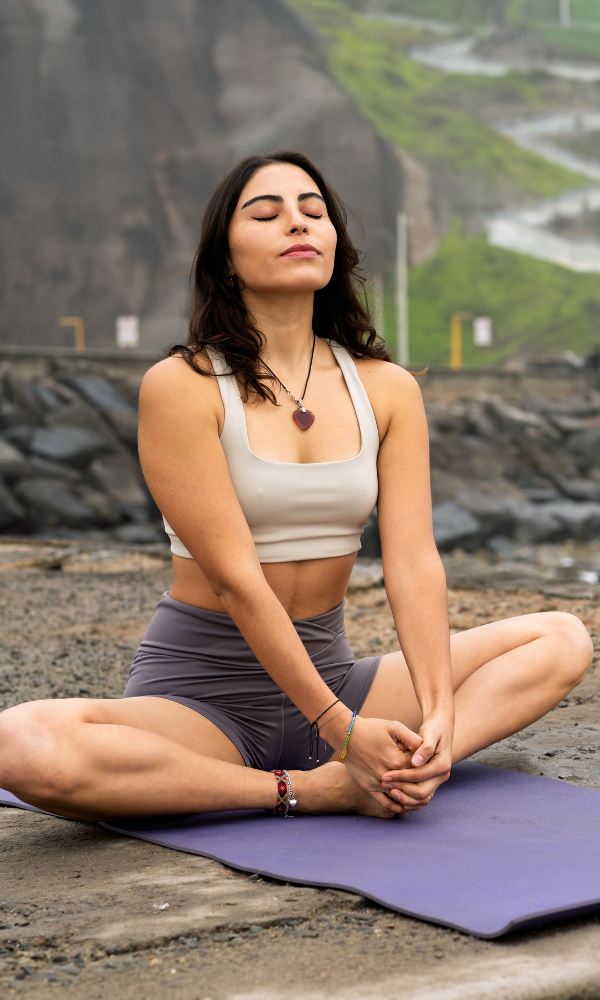
Baddha Konasana comes from the Sanskrit Baddha, meaning bound, Kona, meaning angle, and Asana, meaning pose. Seated with the soles of the feet pressed together and the knees falling open to either side, the shape resembles the wings of a butterfly — which is why it is often called Butterfly Pose in casual practice.
The posture looks gentle, even restful. But for many bodies, the hips resist this opening far more than expected, especially in the outer hips and inner thighs. In the yogic tradition, this resistance is considered meaningful rather than incidental. The hip joints are associated with the second chakra, svadhisthana, linked to emotion, creativity, and the capacity to move fluidly through change. Tight hips, in this view, are not merely a physical condition — they are a place where the body may be quietly holding what the mind has not yet processed.
How to Practice Baddha Konasana
Sit on the mat with the spine tall, using a folded blanket under the hips if the lower back rounds easily.
Bring the soles of the feet together, letting the knees fall open to the sides.
Hold the feet or ankles with the hands, without pulling the heels forcibly toward the body.
Lengthen the spine upward on an inhale, resisting the urge to round forward immediately.
Fold forward gently, if it feels available, leading with the chest rather than the head.
Let the knees release toward the floor without forcing them down — gravity and time do more here than effort.
Hold for 5–10 breaths or longer, breathing into any areas of tightness rather than bracing against them.
The instruction worth remembering: Bound Angle Pose is not measured by how close the knees come to the floor. It is measured by how much the breath is allowed to stay long and unguarded throughout the hold.
The Benefits of Baddha Konasana
Increases flexibility in the hips, groin, and inner thighs, areas that tighten easily from prolonged sitting.
Stimulates circulation in the pelvic region, often included in prenatal and reproductive health-focused sequences.
Calms the nervous system, particularly when held for longer, meditative durations.
Encourages emotional release, as the deep hip opening frequently surfaces stored tension or feeling.
Builds patience and self-compassion, since forcing the pose rarely works — only consistent, gentle return does.
Hip openers like this one are rarely about achieving a deeper stretch as quickly as possible. The real practice lies in staying present with whatever arises — physical resistance or otherwise — without rushing to push through it.
Common Mistakes to Avoid
Pressing the knees down with the hands or elbows. This can strain the knee joint; let the hips open at their own pace.
Rounding the lower back to fold deeper. Keep length in the spine, even if the forward fold stays shallow.
Holding the breath through discomfort. A held breath tends to intensify resistance rather than ease it.
Judging the pose by flexibility. Tight hips are common and not a reflection of practice or progress — only of where the body currently is.
Beyond Bound Angle Pose: Other Hip Openers Worth Exploring
Once Baddha Konasana feels familiar, a wider practice of hip-opening postures opens — each one inviting release in a slightly different shape.
Pigeon Pose (Eka Pada Rajakapotasana) Perhaps the most well-known hip opener, Pigeon Pose targets the outer hip and glute of the front leg deeply, often surfacing strong sensation and emotion in equal measure.
Malasana (Garland Pose) A deep squat that opens the hips and groin while grounding through the feet, Malasana combines hip release with a sense of stability rarely found in more passive stretches.
Gomukhasana (Cow Face Pose) Stacking the knees while binding the arms behind the back, this pose opens the hips and shoulders simultaneously, often revealing asymmetries between the two sides of the body.
Agnistambhasana (Fire Log Pose) Stacking the shins on top of each other, this posture offers an intense, targeted opening through the outer hips — best approached slowly, with support under the knees as needed.
The Deeper Lesson of the Hip Opener
In yogic philosophy, the body is considered a record of everything it has moved through — not metaphorically, but physically, held in the tissue itself. Hip openers like Baddha Konasana do not force this record to reveal itself. They simply create enough stillness and space for whatever has been stored to surface, if it is ready to.
This is why hip-opening practices are so often paired with patience rather than intensity. Forcing the knees down accomplishes little. Returning to the pose, breath after breath, session after session, tends to accomplish far more.
To open the hips, in this sense, is to practice a kind of trust — that what has been held does not need to be held forever, and that release, when it comes, rarely arrives on command. It arrives when the body finally feels safe enough to let go.
Ready to move beyond the poses and into the deeper wisdom that shapes them? Explore the Beyond Asana course and take the next step in your practice.